




June 16, 2026
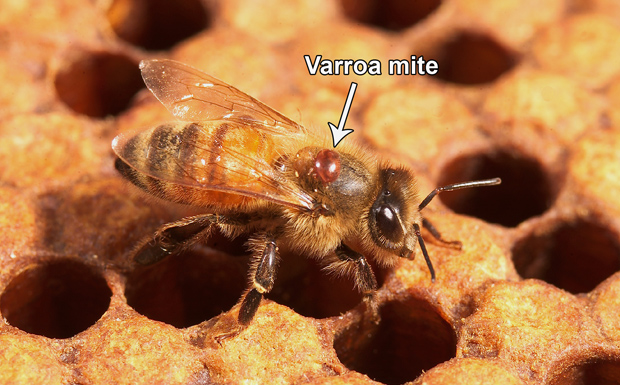
Producers have been warned that reliable pollination of their crops by feral honey bees can no longer be taken for granted following the extensive spread of the Varroa destructor mite.
The mite, which leads to colony collapse in bee hives, is now well-established in south-east Queensland (including the South Burnett), NSW, the ACT, Victoria and South Australia.
In 2014, the CSIRO warned of the major risk of the nationwide loss of pollination services from feral European honey bees if a multi-State varroa mite incursion occurred.
That now appears to be the case.
The mite was first detected at sentinel hives at the Port of Newcastle in NSW in June 2022; and despite strict border controls and movement orders, was confirmed in Queensland on March 3 last year.
The National Farmers Federation’s Horticulture Council (NFF) and the Australian Honey Bee Industry Council (AHBIC) this week urged horticulture producers to plan now for a future where reliable, managed pollination could no longer be taken for granted.
“For decades, a large share of horticulture’s pollination has come from feral bees that growers never had to think about, let alone pay for,” NFF spokesperson Richard Shannon said.
“Varroa is steadily removing that invisible workforce. The growers who likely fare best from here will be the ones who treat pollination as a managed input – planned, budgeted and contracted – rather than something the landscape provides for free.”
AHBIC CEO Danny Le Feuvre said it was “not just a beekeeping problem”.
“It is a national food production and resilience issue,” he said.
“Beekeepers are doing everything they can to keep healthy, strong hives in the system, but they are now carrying permanent management costs and the added pressure of emerging chemical resistance.
“Growers and beekeepers are in this together, and securing pollination for Australia’s horticulture industries depends on us planning side by side.”
To help growers prepare, the NFF Horticulture Council and AHBIC will co-host a national grower webinar on managing pollination in a Varroa-endemic Australia.
The session will cover what the end of the Transition to Management program means on farm, how to structure pollination agreements, and practical steps to protect pollination security across horticulture commodities.
- The webinar will run from noon to 1:30pm on August 5. Registrations can be made online
External links:
Related articles:
- Mite Resistance Is Spreading
- Insecticide Resistance Found In Mites
- Varroa Mite Found In South Burnett
- Bee Pest Detected In Lockyer Valley
- Grants To Target Varroa Mite
- Varroa Mite Detected In Brisbane
- NSW Quits Fight Against Varroa
- Beekeepers Urged To Check Hives
- Varroa Mite Restrictions Relax
- Scientists Target Varroa Mite
- Border Ban On NSW Bees
- Varroa Mite Incursion Eradicated
- Second Infected Hive Found
- Varroa Mite Found In Queensland
- CSIRO Warns Against Complacency