





June 19, 2026
A proposed bio-fertiliser processing facility at Glan Devon has sparked anxiety among residents who would be living near the project.
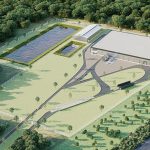
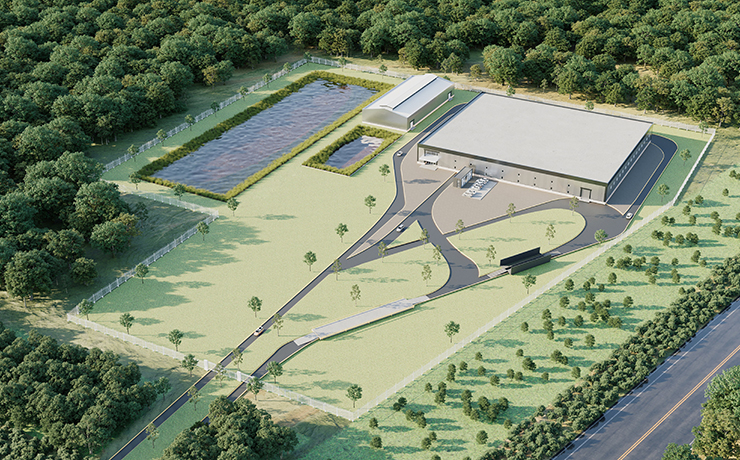
If approved, the bio-fertiliser facility would be built on the corner of the Burnett Highway and Mondure Crossing Road, about 12km north of Nanango.
Angry posts from Nanango residents began appearing on social media soon after the application for a “Development Permit for Material Change of Use for a High Impact Industry (Bio-Fertiliser Facility)” was lodged with the SBRC on behalf of BYV Organics Pty Ltd.
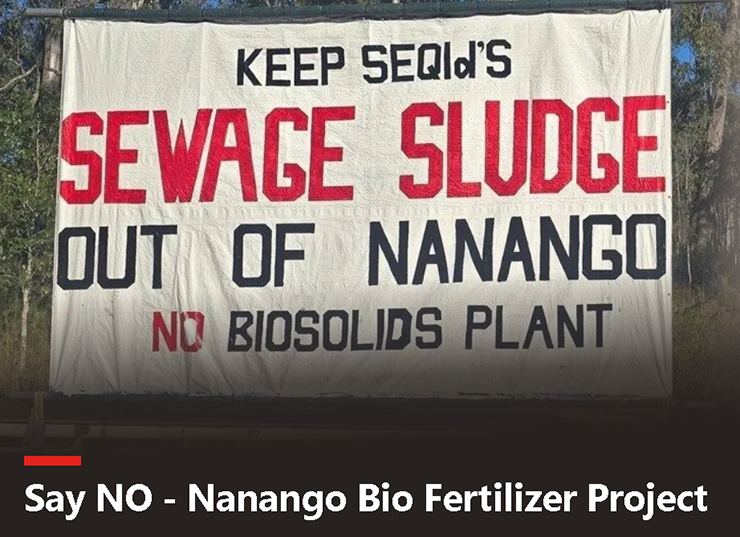
An active social media campaign began earlier this month, accompanied by an online petition and signs on the Burnett Highway.
A Change.org petition, launched on June 5, has 818 signatures; and a dedicated Facebook group has 687 members.
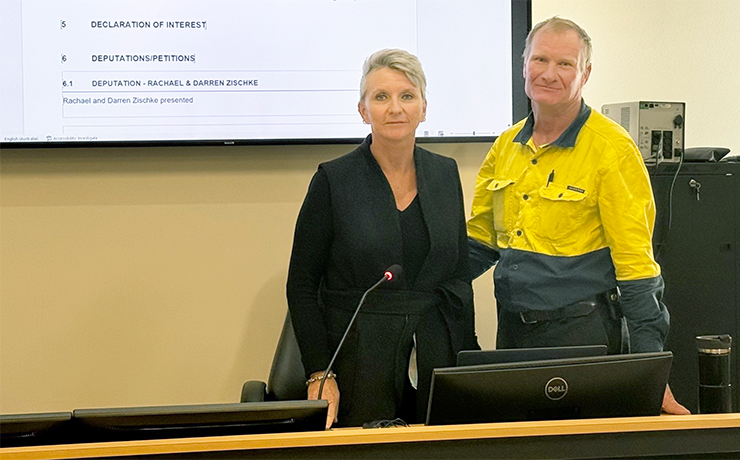
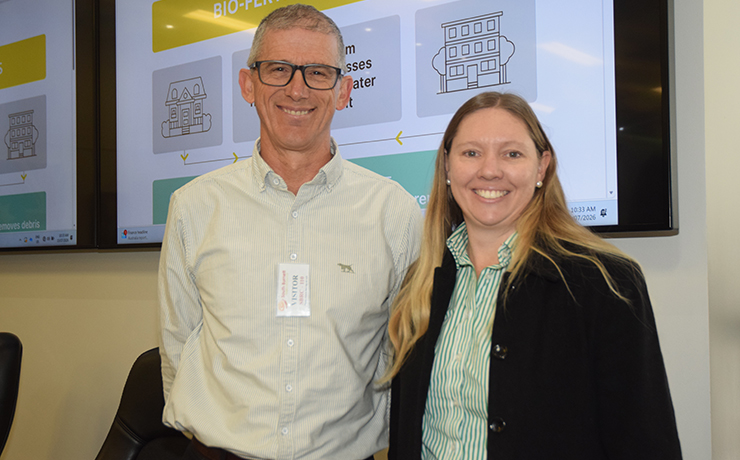
Campaigners Rachael and Darren Zischke, whose property is close to the site, led a deputation to the South Burnett Regional Council’s general meeting on Wednesday, talking councillors through a presentation against the project.
They said the project should not go ahead on economic, scientific, environmental and zoning grounds:
- Economic – Construction jobs would be temporary and would come from outside the region
- Scientific – Concerns over the drying process and the long-term effect of the fertiliser product on agricultural land
- Environmental – A bushfire risk and potential for contamination; amenity would be harmed by noise, dust, odour and traffic
- Zoning – The proposed site is Class A agricultural land; there is also remnant vegetation, endangered fauna and it is close to waterways
The proponents have countered saying:
- The facility would benefit the environment by removing tonnes of waste from landfill
- The dry fertiliser product, enhanced with minerals, could be used and stored on local farms, reducing reliance on petroleum-based fertilisers; the pellets would also be able to be blended to suit different soil types and crops
- The “biosolids” which would be brought to the facility for processing are not raw sewage and have been used in Australian agriculture for decades, with the South Burnett region receiving about 37,000 tonnes a year; the dry pellets would have less odour than the current wet product which is used
Project director Rusty Mark said about 95 per cent of biosolids in Queensland were currently applied directly to land.
“We are just trying to create a better way to use them,” he said.
If approved, the proposed plant would be built in several stages.
Initially, the Xetrov Vortex technology would be built and tested. This is the process which would create the heat needed in the drying process by burning non-recyclable waste, such as timber and MDF fibreboard, not domestic rubbish.
Xetrov Vortex is in use in the UK but has never been used previously in Australia.
After the Xetrov technology is in place, Stage 1 of the plant would process up to 40,000 tonnes per annum of biosolids and would operate as “an initial commissioning and trial phase to confirm performance, environmental controls and product quality”.
Stage 2, if needed, could see this expand up to 100,000 tonnes per annum.
The Development Application is “impact assessable” by Council and the project must also get approval from the State Assessment and Referral Agency (SARA).
The documents lodged on the SBRC’s website show that SARA has twice sought further information from the proponents, which Mr Mark said was a normal part of any assessment process.
The current assessment period has now been paused until August 28 to allow the proponents more time to respond to the SARA queries.
The SBRC will not consider the Development Application until the SARA requests are satisfied, which also delays the Public Notification period during which residents can submit formal objections.
The Nanango campaign has coincided with recent horror stories from the USA shared on social media about farms being contaminated with PFAS chemicals and heavy metals after biosolids were spread on the soil.
However, Mr Mark said in Queensland, biosolids used as a resource are tested and must comply with Queensland End Of Waste Codes which set strict limits for contaminants.
- External link: Glan Devon Project
- Related article: Bio-Fertiliser Project Put To Council





A few comments. I understand the need for balanced reporting but the company left out a few essential facts.
Rezoning from class A to high impact sets a dangerous precedent for out region.
We know biosolids are not raw sweage and I am quite tired of ppl assuming we think they are.
We also know that the strict end of waste use codes apply to bio solids use on farmland, and we have ne reason to believe the fertilizer will be any different.
They have applied to ramp up to 120000 tonnes of biosolids not 100 000.
The 24000 tonnes of non recyclable waste can include plastics, and I imaging they will use what they will be paid the most to take away. Eg medical waste.
They say it is a pilot so they will potentially test this for years, and who cleans up if it is proven unviable.
Are they going to compensate immediate neighbours for reductiin in amenity and land values.
PFAS and heavy metals are still going to be a concern in the finished fertilizer product.
Have they done a market assessment locally? Who exactly is going to use this product, or be able to ‘store it on farm’ as they assert.
Many details in my presentation were glanced over by your article or not mentioned at all.
VERY DIssapointed.
Regards
Rachael Zischke.
Our roads won’t be able to stand up to all that truck volume.
Ultimately, I come back to the zoning issue. If the land isn’t zoned for this, then too bad. What is their motivation to want it located there I wonder? (Usually, it always comes down to money). It’s really not fair on the neighbouring landowners, fair enough if they bought their blocks knowing that it was next to industrial-zoned land, but this is not the case, and they should not have to suffer the huge reduction in land values that being located near this would cause.
The kerfuffle is classic NIMBY-ism. They will grab any straw they think will strengthen their case.
I have a biodigester, the non-smelling liquid fertilizer output of which goes on to my fruit trees and they love it.