




June 18, 2026
Young people who use cannabis daily are up to four times more likely to develop psychosis than those who don’t, according to an international study led by University of Queensland researchers.
The review analysed evidence from 17 previous studies to assess whether cannabis use played a contributory role in the development of mental health disorders, including psychosis, bipolar disorder, depression and anxiety.
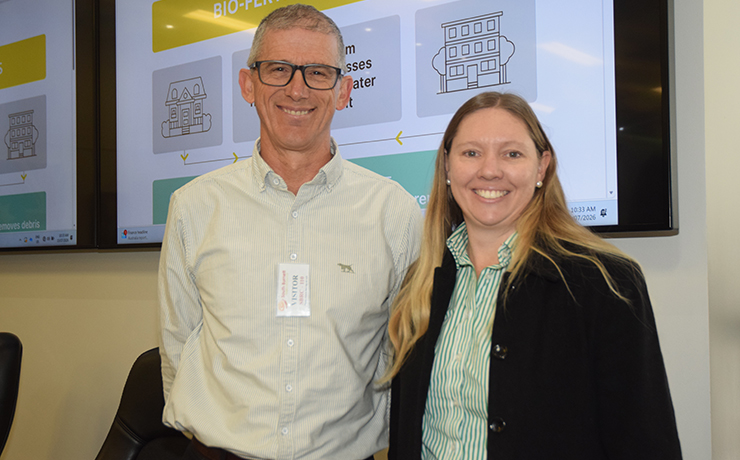
Associate Professor Janni Leung, from UQ’s National Centre for Youth Substance Use Research, said the link between daily cannabis use and psychosis was the strongest and most consistent finding.
“Young people are particularly at risk because their brains are still developing,” Associate Professor Leung said.
“This is also the age when cannabis use often begins and when mental health disorders first emerge, which makes young people a key group for prevention.”
Compounding the risk, about one in three people aged 15 to 25 who used cannabis daily, or near daily, developed cannabis use disorder, meaning they struggled to control their use even when it caused harm.
Researchers also found daily cannabis use may contribute to worsening symptoms of bipolar disorder.
Evidence linking cannabis use to depression and anxiety was less clear, but some of the studies reviewed showed mental health symptoms improved when people reduced or stopped using cannabis altogether.
The researchers have urged caution among policymakers considering cannabis legislation, and clinicians prescribing potent cannabis products.
“Health professionals should routinely screen for both cannabis use disorder and mental health conditions, given evidence that patients with both have poorer outcomes,” Associate Professor Leung said.
“Integrated treatment approaches are needed rather than separate treatment plans that aren’t always complimentary.”
The UQ research team was also involved in a second study which found no clear evidence that medicinal cannabis was effective in the treatment of anxiety, sleep disorders or depression.
“Doctors and other clinicians need to consider the most recent evidence on safety and efficacy when prescribing medicinal cannabis products. Both reviews highlight that cannabis should not be used as a replacement for more effective mental health therapies,” Associate Professor Leung said.
- External link: Lancet Psychiatry