





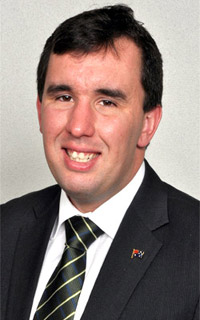
(Photo: SBRC)
September 11, 2013
The South Burnett Regional Council plans to get tough with unions when it begins its next round of Enterprise Bargaining.
Current agreements with employees will expire on March 15 next year and negotiations with unions are expected to start later this month.
Council workers enjoyed a 3.8 per cent rise on July 1 this year as part of the last EBA which was negotiated in 2011. This was on top of a 3.8 per cent rise in July the previous year, and a 3.5 per cent rise in October 2011.
Sources within the SBRC told southburnett.com.au this week Council simply cannot afford another 3.8 per cent per year pay rise for staff.
They said this would amount to an extra $2 million a year on Council’s wages bill, which could translate into a 10 per cent rate increase.
Council plans to argue that local government wages growth has exceeded the general rate because of the 2008 Council mergers, and should now be brought back into line with general wages growth in the rest of the community.
They blame the wages explosion on unions who pushed through a “best of all conditions” arrangement when councils were amalgamated.
Under that arrangement, staff were given the highest wage rates and benefits that applied in any of the old councils that formed a new, merged council; and this happened State-wide.
This resulted in many Queensland local government staff enjoying wage rises at the time of the mergers without any change to their duties.
Since then, the annual wage increases have compounded the disparity between local government wage rises and pay rises across other industries.
The SBRC negotiated its last EBA in 2011 after six months of tense negotiations that included threats of strike action.
Cr Damien Tessmann confirmed today that Council would be taking a “much stronger” approach to EBA negotiations this year.
“Over the last five years we’ve made $10 million in operational savings,” Cr Tessmann said.
“We’ve also reduced the number of staff positions by about 23 in the last year through natural attrition, which is a very humane way to do things.
“However we can’t afford another big wage increase, and if it gets pushed through by the unions our only other option will be to get savage with staff numbers.”
Cr Tessmann said he thought local governments, in general, offered extremely good working conditions for their staff.
These included nine-day fortnights and flexible working arrangements which aren’t enjoyed in most private businesses.