





July 5, 2013
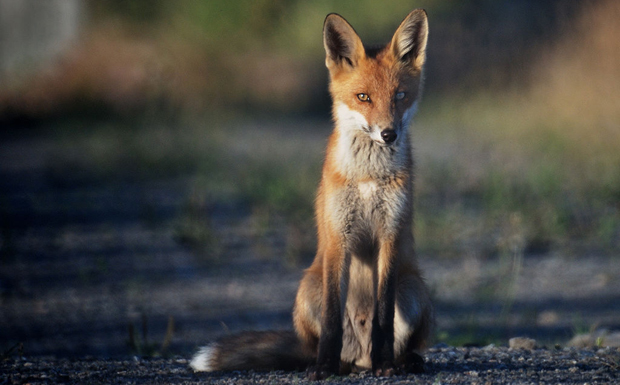
Toowoomba Regional Council has reduced the wild dog scalp bounty – and standardised the payment across the region – in a bid to encourage landholders to use baits.
The new bounty will be $50 per scalp regardless of where in the region a wild dog is destroyed and regardless of whether the claimant is a registered dogger, a landholder, recreational shooter or trapper.
Pest Management Advisory Committee chair Cr Anne Glasheen said in previous years Council had two different payment amounts: $200 per /scalp for a limited number of registered doggers in the old Millmerran Shire and $100 per scalp elsewhere in the Council area.
“This adjustment in the amount paid creates a consistent payment across the amalgamated TRC area,” Cr Glasheen said.
“Council promotes an integrated approach to managing wild dog problems across the region involving a combination of shooting, trapping, exclusion fencing, use of herd protection animals and baiting programs (where appropriate distance restrictions can be achieved).
“Anecdotal evidence over the last few years suggests that some landholders may have ceased the more effective and efficient baiting program option in favour of using shooting to claim the bounty amount.”
Cr Glasheen said a reduction in landholders participating in baiting programs not only reduced the effectiveness of wild dog control on the individual landholder’s property, it decreased the effectiveness of the program across participating neighbouring properties and the wider region.
She said State Government policy did not support the use of bounty payments to control pest animals.
“Numerous studies in Australia and world-wide have found that bounties are considered to be counter-productive to more efficient, longer-term options,” Cr Glasheen said.
“They utilise resources better spent elsewhere, have the potential to result in fraud, and usually result in no appreciable reduction in the number of pest animals.
“Council is in the process of developing a revised Pest Management Plan for the period 2014-2018.
“This plan is being developed in conjunction with the newly formed Pest Management Advisory Committee made up of representatives from a strong cross-section of the community.”