




April 28, 2026
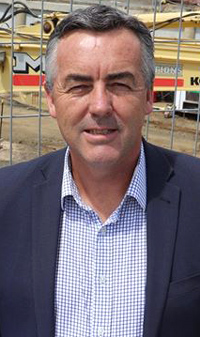
Opposition agriculture spokesperson Darren Chester has called for the upcoming Federal Budget to prioritise biocontrol measures and practical projects “which make a difference on the ground” in regional Australia.
The Deputy Leader of the Nationals said the Budget should support the efforts of regional Australians to care for the environment.
“Lost in the commentary of green extremists is one simple fact: the greatest threat to biodiversity is the pest plants and animals which continue to impact vast areas of rural and regional Australia,” Mr Chester said.
He called on the Federal Government to focus on “cleaning up our own backyard”.
“The CSIRO has found invasive species cost Australia more than $25 billion in lost agricultural production each year and remain the biggest risk for the extinction of native species,” Mr Chester said.
“Regional Australia needs its own positive environmental agenda which focuses on practical outcomes, science-led solutions and delivering the jobs our communities need.
“As a nation, we need more boots and less suits.
“That’s more boots on the ground in the regions undertaking practical environmental projects like invasive species control, and less suits in the cities making excuses for the lack of action.
“The real environmentalists in Australia are the farmers, trappers, hunters, Landcare and Coastcare volunteers who get their hands dirty and undertake pest weed and animal control along with revegetation and other activities to support native species.
“If we are expected to be the custodians of a vast public land estate in regional Australia, we should benefit from more jobs on the ground to properly care for the environment and undertake more invasive species control programs.
“Whether it’s pigs, deer, feral cats, rabbits, foxes, carp, wild dogs, fire ants or pest weeds, the Federal Government needs to be working in partnership with the States and natural resource management groups to control their damaging impacts.
“Negotiating a partnership with willing states to lock in long-term funding for control programs and natural resource management roles to leverage the efforts of volunteers and landholders, will deliver the environmental outcomes and the sustainable jobs our younger voters are demanding.
“It’s regional people who are the practical environmentalists undertaking the majority of paid and voluntary work at the moment but funding is often short-term and delivered through ad hoc grants programs.”