




November 9, 2026
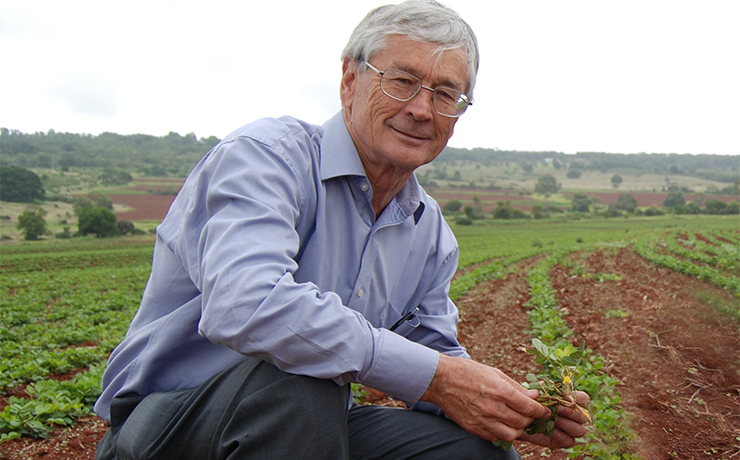
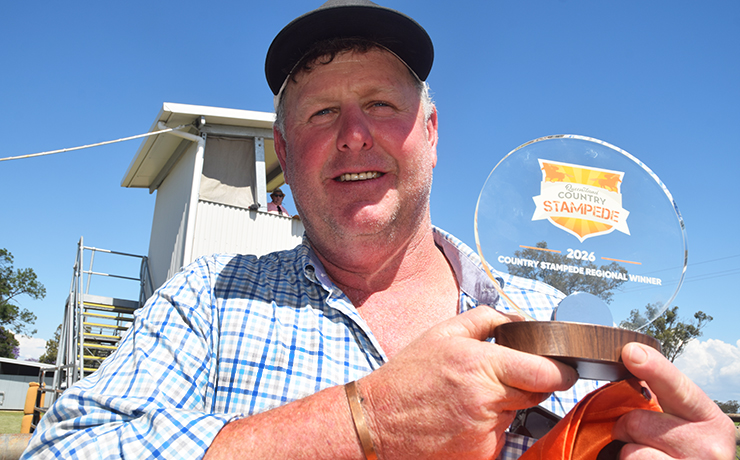
Kingaroy farmer Ben Campbell says that warnings entrepreneur Dick Smith made in Kingaroy more than 25 years ago have become a reality for the peanut industry.
Speaking at a peanut industry conference in Kingaroy in 2000, the entrepreneur warned peanut growers about the threat of cheap imports.
Mr Campbell said growers were urged to encourage Australians to “support the home team” and promote the fact that Australia grows the best peanuts in the world.
At the time, Dick Smith’s wholly Australian peanut butter held more than 20 per cent of the Australian market, demonstrating the power of consumers choosing to support Australian-grown products.
“I was fresh out of school when Dick Smith warned farmers like my dad that we needed to keep promoting our homegrown industry if we didn’t want to be replaced by imported peanuts,” Mr Campbell said.
“Sadly, Dick Smith was right about the threat of cheap imports.
“Twenty-five years later, the majority of peanuts consumed in Australia are imported.”
ABC TV’s Landline recently reported on the fragile future facing the Australian peanut industry and featured Dick Smith talking about Australian-grown peanut butter back in 2000.
Dick Smith Foods’ peanut butter was eventually withdrawn from the market in 2019.
Mr Campbell said the industry had been caught in a vicious cycle: cheaper imported peanuts replaced Australian-grown product, growers reduced plantings because prices and market opportunities were inadequate, and manufacturers then pointed to declining Australian production as justification for importing even more.
He said the lesson was clear: Australian farmers cannot save their industries without consumers backing Australian-grown products.
Growers, processors and researchers are now working together to rebuild the Australian peanut industry, strengthen local processing and restore confidence in its future.
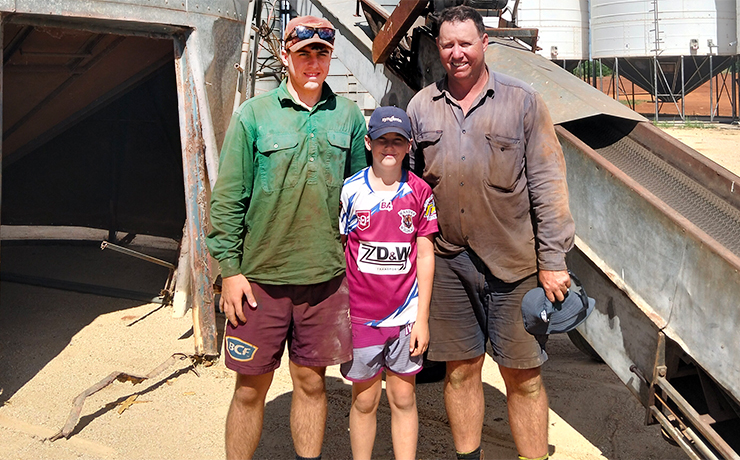
“I think the existing grower base can definitely produce more peanuts and I want my boys to have the chance to grow peanuts in the future,” Mr Campbell said.
“We as farmers have got to get out in front of the camera and promote ourselves.
“We’re too shy, we’ve got to heed Dick Smith’s advice and start promoting the top quality peanuts that Australian growers produce.”
Mr Campbell said supermarkets have an important role to play by stocking more products made with Australian-grown peanuts but he said labelling rules were also vitally important if shoppers are to easily identify products that genuinely support local farmers.
He said he had bought a jar of peanut butter featuring the familiar green and gold kangaroo logo, only to have his children point out that the label stated it contained less than 10 per cent Australian ingredients.
It was a reminder that Australian-made and Australian-grown are not the same thing.
“We’d love to see well-known brands back Australian growers, but if they wish to use imports they need to be up front with consumers on their labels,” he said.
Mr Campbell urged shoppers to look beyond the familiar brand names and check the country-of-origin information on the products they bought.
He believes Australian growers can still supply local demand: “If we have markets, peanuts will definitely be planted,” Mr Campbell said.
But he says many peanut growers have stopped growing because the price paid was too low.
“I think Australian growers could supply a much larger part of the Australian demand than we are currently but we need to have markets that pay a fair price,” Mr Campbell said.
“We’re expected to compete with peanuts from places like India, China or Argentina but there has to be recognition that running a business in Australia is more expensive than those countries.
“Aussie farmers are always trying to be more efficient but you simply can’t innovate your way out of a low price.”