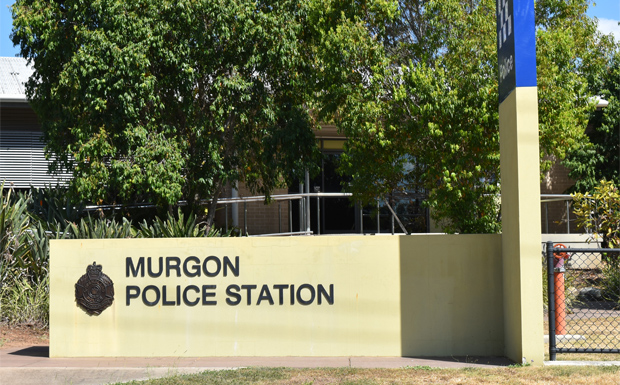






Police in Cherbourg, Kingaroy, Murgon and Nanango will soon be equipped with body worn cameras (BWC) as part of an extended state-wide roll out of the technology.
On Thursday, Police Minister Mark Ryan announced the start of stage two of the Queensland Police Service BWC program.
Mr Ryan said the stage two roll out will see the total number of devices in use across Queensland increase to 5,100.
“The State Government allocated more than $6 million over three years to provide BWCs to our frontline men and women to help keep them safe,” Mr Ryan said.
“With 2400 new BWCs distributed throughout the state as part of stage two, as well as the redeployment of existing cameras to identified stations, the government has delivered the largest roll out of BWCs in Australia and the third in the world.”
Mr Ryan said in 2016, stage one of the BWC roll out delivered cameras for 26 police stations, 47 road policing units and 13 tactical crime squads within the south-east, central and north Queensland.
“The stage two rollout will see BWC equipment and training rolled out to an additional 142 police stations by December 2017,” Mr Ryan said.
“The deployment of all 5100 BWCs will see this capability delivered to a total of 168 police stations throughout the state.
“Frontline police including general duties officers and specialist police such as Road Policing Command officers, tactical crime units, rapid action and patrols groups benefited from stage one of the BWC roll out, and now we are expanding this across Queensland.”
Police Commissioner Ian Stewart said the further roll out of BWC was a significant advancement for the QPS and the new technology would deliver improved performance and services for the community.
“BWC have seen significant benefits to the service, and the community, including saving officers a minimum of 10 minutes a shift, and enhanced evidence gathering and storing techniques,” Commissioner Stewart said.
“BWC have assisted officers in dealing with a number of operational situations, including serious incidents such as domestic and family violence and alcohol-fuelled violence through enhanced evidence gathering.
Extra training will be provided throughout the state with the stage two roll out expected to be completed in December 2017.