




(Photo: Supplied)
March 24, 2026
Producer groups have expressed dismay at the outcome of the Australia-EU Free Trade Agreement negotiations, details of which were released on Tuesday morning at Parliament House in Canberra.
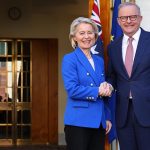
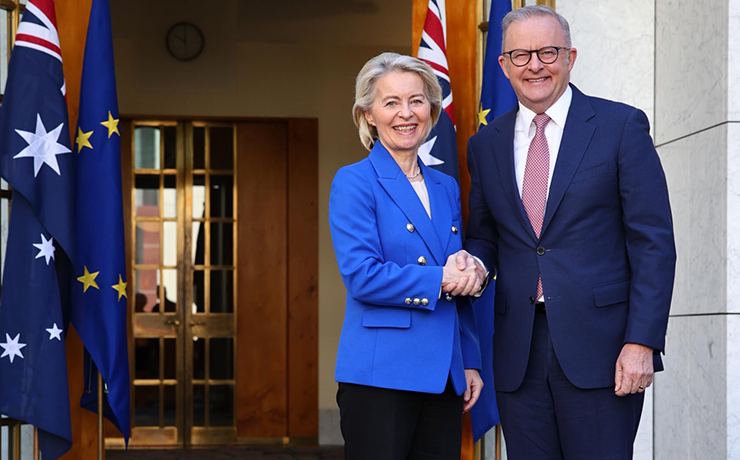
Prime Minister Anthony Albanese signed a joint statement with European Commission president Ursula von der Leyen confirming the agreement had been finalised after eight years of negotiations.
The PM described the deal as a “win win”, saying it eliminated tariffs on Australian exports including wine, seafood and horticulture and meant beef, lamb, dairy, rice and sugar would have improved access to the European market.
Farmers will be able to export an extra 30,600 tonnes of beef and 25,000 tonnes of lamb, but short of the 50,000 tonnes of beef and 67,000 tonnes of lamb the industry had sought.
New access of 35,000 tonnes of sugar has been agreed over three years, up from the current 9925 tonne allocation.
The European Union has also eliminated tariffs on imports of key vegetables and fruits, including potatoes, onions, apples and pears; as well as almonds, walnuts and macadamias.
In return, Australia will remove its 5 per cent tariff on European imports, including cars, farm machinery, fashion products, champagne, spirits, biscuits, chocolates and pasta.
And a truce appears to have been called in the ongoing conflict over “geographical indicators” for food and wine.
Some well-known names will be phased out from Australian supermarket shelves, including feta and gruyere, however parmesan will remain and winemakers will still be able to market Italian-style sparkling wine as prosecco within Australia.
AgForce general President Shane McCarthy said the agreement fell short of expectations.
“Across all commodities, there is a consistent concern that this agreement does not deliver the level of access needed to support growth in Australian agriculture,” Mr McCarthy said.
“We echo the concerns raised by the National Farmers’ Federation and others across the sector – this deal does not provide the meaningful market access Australian producers were seeking.”
Canegrowers slammed the outcome as a complete failure.
“The market access Australia has achieved is extremely small, less than 2 per cent of Europe’s import requirement and well below what Brazil and its Mercosur partners secured last year, which was around four times larger than Australia’s outcome,” CEO Dan Galligan said.
- External link: Key Outcomes Of Australia-EU Free Trade Deal (Dept of Foreign Affiars & Trade)