




The Grains Research and Development Corporation (GRDC) has launched a national project designed to arm grain growers with the strategies to combat the nation’s most damaging soil-borne diseases.
A GRDC spokesperson said soil-borne diseases such as crown rot, Rhizoctonia, Sclerotinia and nematodes cause an estimated $1.71 billion in grain losses annuall.
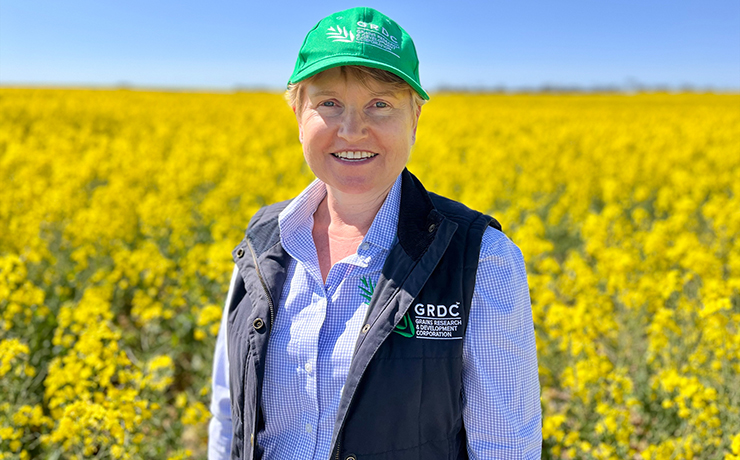
GRDC Board chair Sharon Starick announced the five-year Soil-Borne Disease Initiative during a Grains Research Update in Adelaide on Tuesday.
GRDC will invest $20 million complemented by $14 million from collaborating research partners.
“Soil-borne diseases are responsible for more than half of total yield losses from disease in Australian grain crops,” Mrs Starick said.
“Through this initiative, which builds on past research we aim to equip Australian grain growers with practical, economic and innovative soil-borne disease management strategies that reduce the financial impact of these diseases on their farming businesses.”
The initiative will bring a wide range of current and new soil-borne disease research projects under a single, collaborative program.
Research would focus on key diseases such as Fusarium crown rot, Rhizoctonia bare patch, Sclerotinia stem rot, nematodes and fungi/oomycetes.
GRDC Managing Director Nigel Hart said the initiative highlighted GRDC’s commitment to fostering national collaboration while recognising the unique challenges faced in different regions.
“We know this is a critical area for growers and advisers, which is why we have committed to bringing current and new research together in a highly effective multi-disciplinary way,” Mr Hart said.
In Queensland, research will be conducted by the University of Queensland and the University of Southern Queensland.