




November 25, 2025
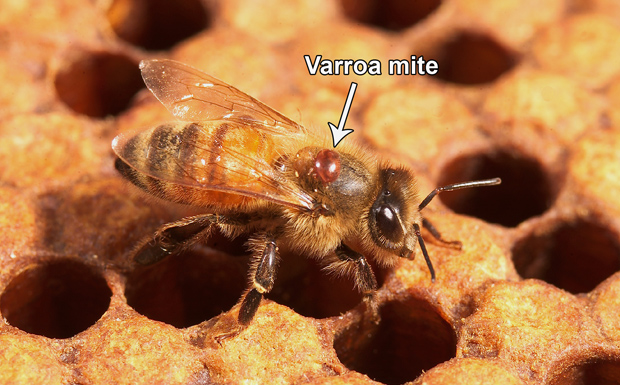
The serious honeybee pest, Varroa destructor, has been detected in the South Burnett for the first time.
A Department of Primary Industries spokesperson said the mite was found in the South Burnett Regional Council area in late October.
Since then there have been seven detections in commercial hives in the region.
A surveillance map on the Business Queensland website – which is updated daily – shows detections near Kingaroy, west of Wondai and south of Kilkivan.
Varroa destructor has been spreading in Australia since it was first detected near Newcastle in NSW in June 2022.
On March 3 this year it was confirmed for the first time in Queensland.
Infestations in the North Burnett were detected in May.
Varroa mites – which affect both Asian and European honeybees – can build up over time, eventually leading to colony breakdown.
The DPI spokesperson said the National Management Group announced the transition from eradication to management for varroa mite in 2023, with all States and Territories committing to this approach.
Varroa destructor can be spread by individual bees, swarms, nests or hives of bees, apiary appliances, apiary products, on people or personal protective equipment.
“Biosecurity Queensland provides all registered beekeepers with education and training opportunities on integrated pest management approaches and pathways for support and wellbeing to affected beekeepers,” the spokesperson said.
“We are working closely with the beekeeping industry to slow the spread.
“DPI asks all Queensland beekeepers to check their hives monthly and report the results to Bee 123, even if no mites are found.”
External links:
Related articles:
- Bee Pest Detected In Lockyer Valley
- Grants To Target Varroa Mite
- Varroa Mite Detected In Brisbane
- NSW Quits Fight Against Varroa
- Beekeepers Urged To Check Hives
- Varroa Mite Restrictions Relax
- Scientists Target Varroa Mite
- Border Ban On NSW Bees
- Varroa Mite Incursion Eradicated
- Second Infected Hive Found
- Varroa Mite Found In Queensland
- CSIRO Warns Against Complacency