




August 13, 2025
Researchers from Monash University have called on the Grains Research and Development Corporation (GRDC) to invest more into research about postharvest storage of legumes, such as faba and adzuki beans.
The scientists claim poor storage conditions are causing avoidable quality declines across the legume supply chain, costing both growers and processors.
After harvesting, beans are often stored in bulk silos or on-farm sheds where they can be exposed to hot summers with little or no temperature or humidity control.
The high temperatures and humidity during storage trigger internal damage, making them harder to cook, less nutritious, and less suitable for processing (eg. canning or protein extraction), the researchers found.
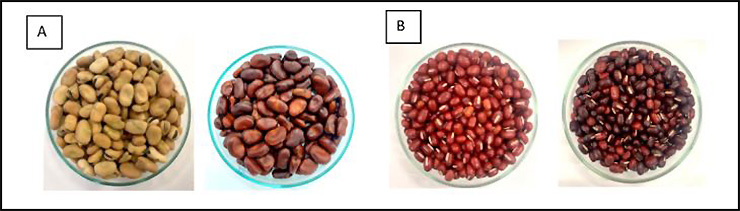
In a series of studies published in “Carbohydrate Polymers, Food Hydrocolloids, and Food Bioscience”, researchers found that storing faba and adzuki beans at high temperatures and humidity levels triggered internal changes in the beans’ protein, starch and lipid structures.
Associate Professor Sushil Dhital said how the beans were stored after harvest could make or break their final quality, even if they were grown and harvested perfectly.
“There’s a perception that once beans are harvested, the job is done. But we found that poor storage conditions can quietly ruin bean quality and undo months of good work in the paddock,” Associate Professor Dhital said.
“We saw that even perfectly bred and harvested beans can develop serious quality issues if not stored correctly.
“Beans stored at 40 °C and 80 per cent humidity became structurally resistant to water absorption and much harder to cook. Their protein and starch are different to those of freshly harvested.
“The problem is known as the ‘hard-to-cook’ defect. It means beans take longer to soften, are harder to digest, and can develop off-flavours.
“This has real implications for food manufacturers, canning companies and exporters who rely on consistent, high-quality product.”
The research team highlighted the need for investment in temperature and humidity-controlled storage systems, along with policy support to ensure the preservation of postharvest quality.
“Millions are invested in breeding better beans and improving agronomy. But without proper storage, much of that value is lost,” Associate Professor Dhital said
“We need a shift in focus from paddock to postharvest.
“Postharvest quality preservation is the missing piece in the value chain. If we want to deliver consistent legume-based products and support farmer profitability, this is where we need to act.”